Animal Science and Art
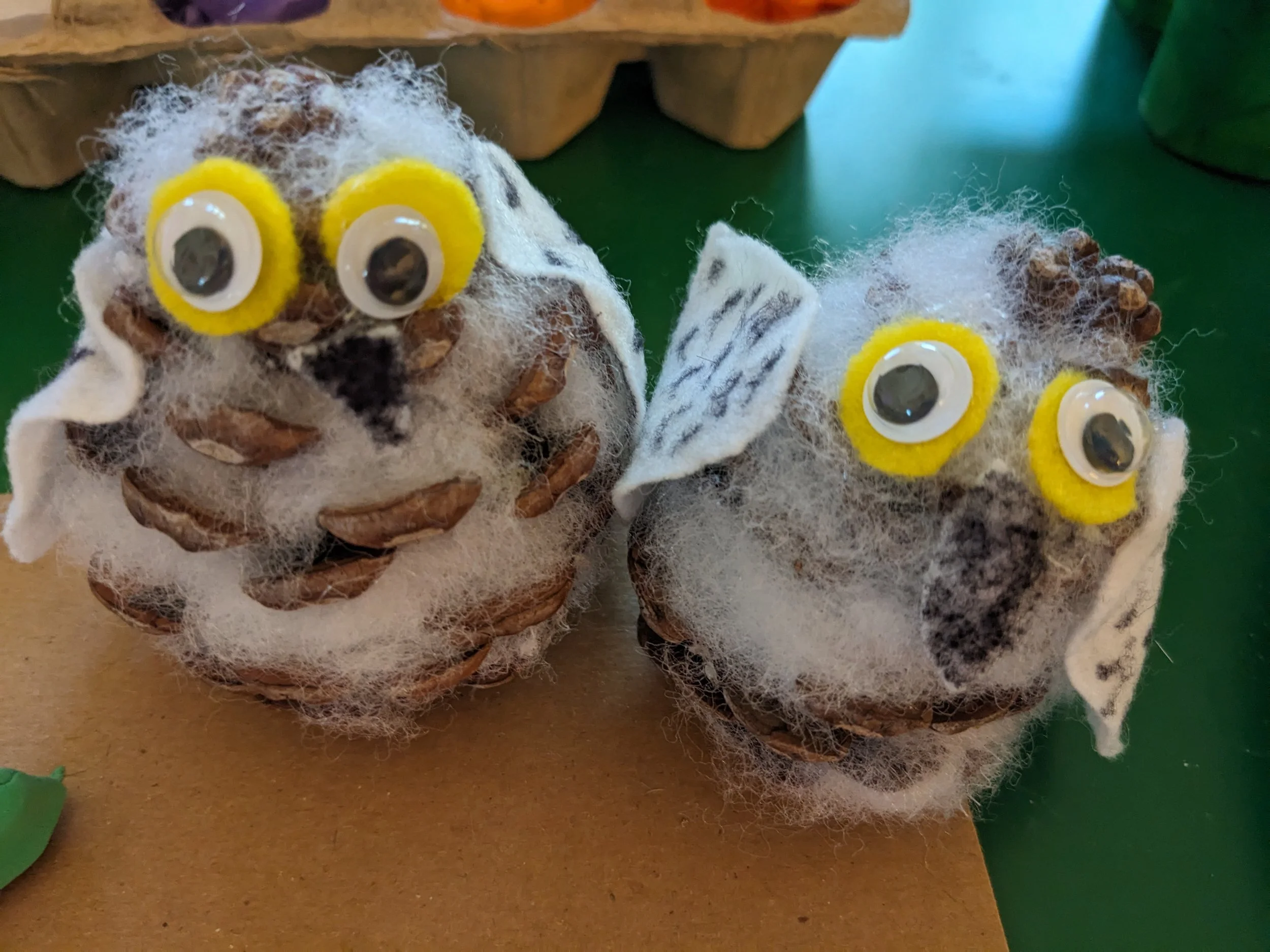
Owls
Starting Aug 21st, 2026 will we offer Animal Science and Art for 6-10 year old’s on Friday Mornings from 9:30-11 am (but your welcome to also come early for free play time before this class).
Please complete this form or email nasima@eurekalearningcommunity.org to let us know you would like to join “Animal Science and Art.”
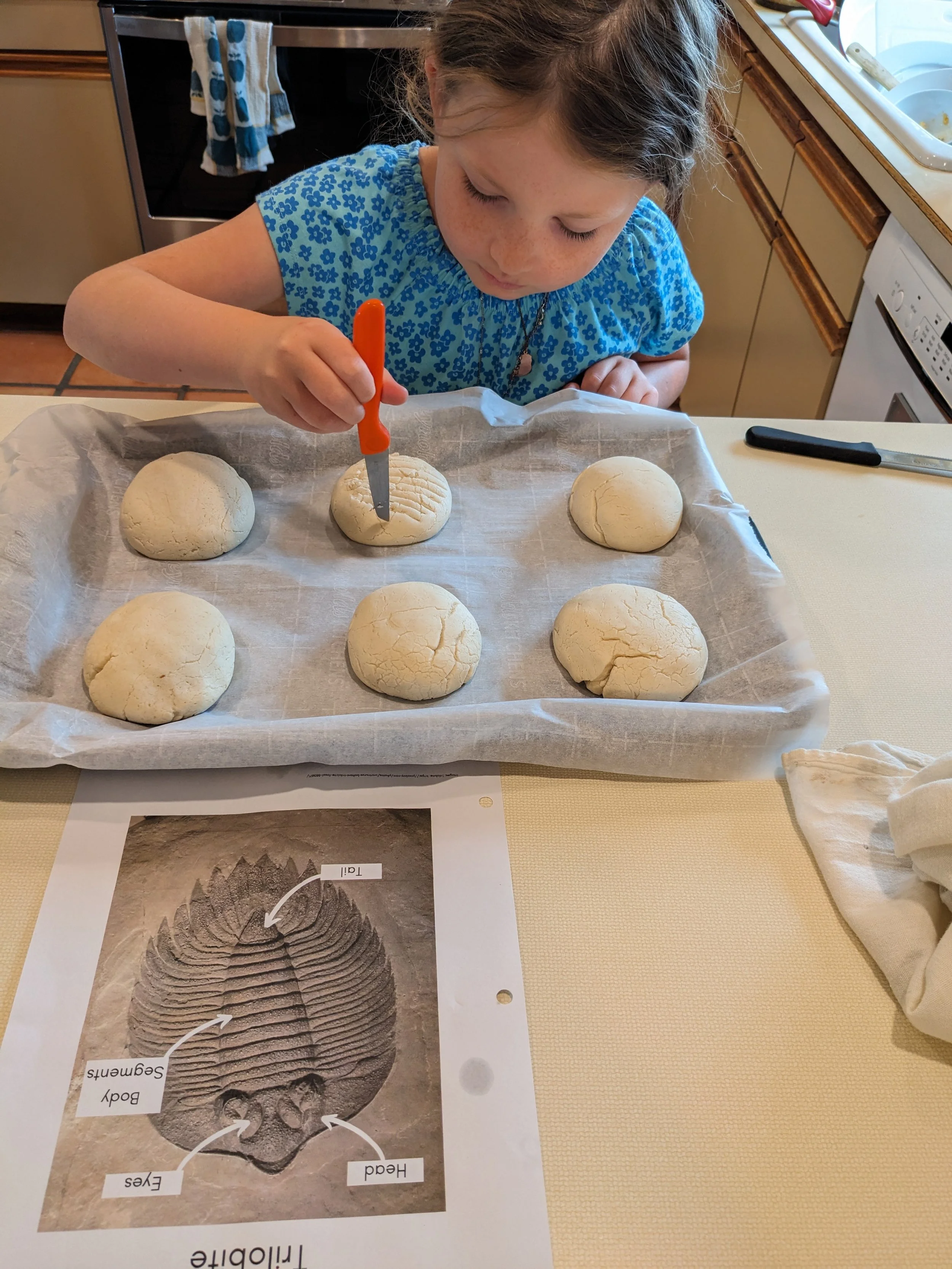
Each weekly lesson will include hands-on activities, explorations, or labs and a lesson about a group of animals, such as Unit 12 “Turtles, Tortoises, and Crocodilians.” If I have enough parent helpers we will also have centers we can rotate through.
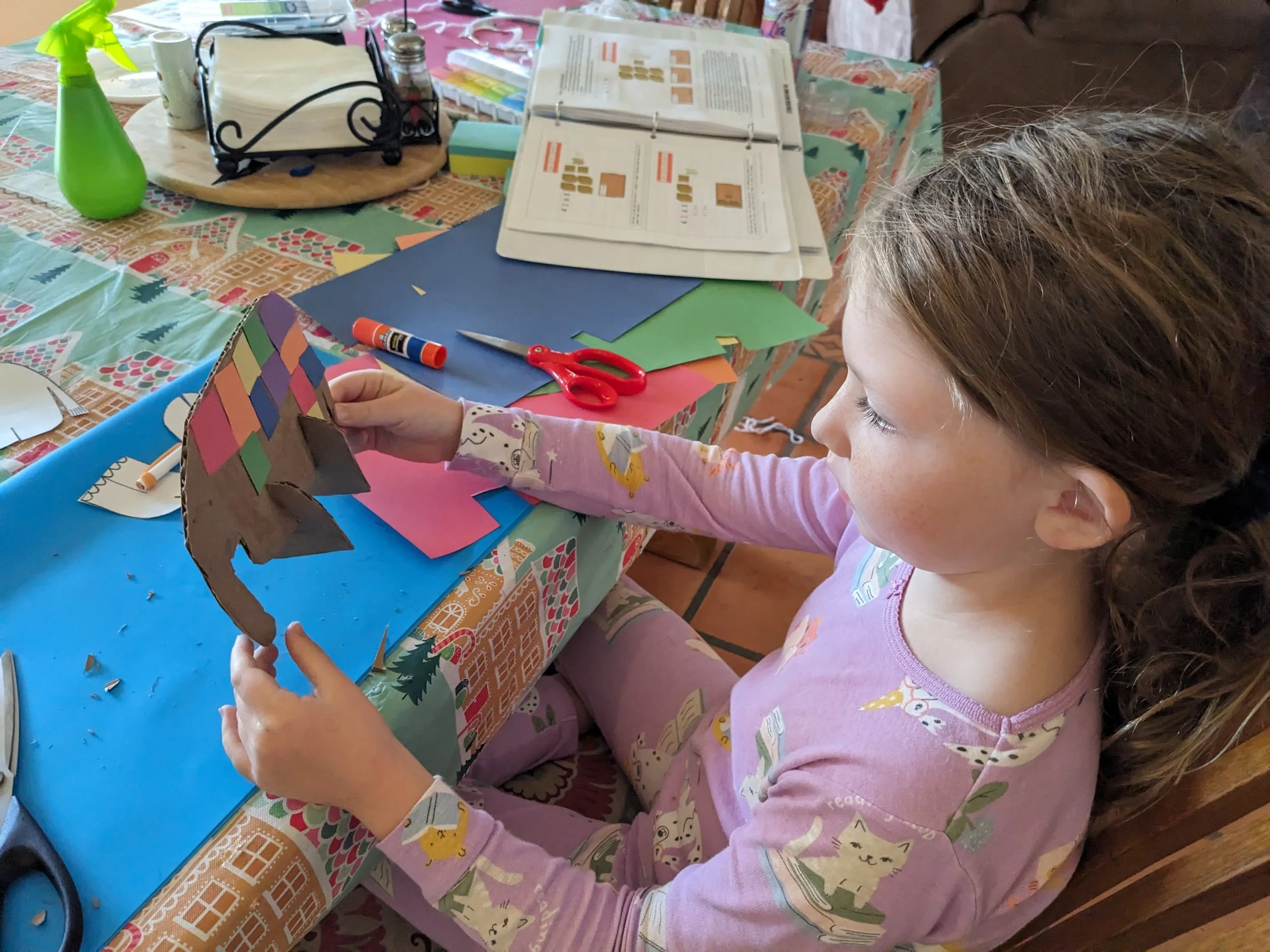
Weekly lessons will also include a craft, art exploration, or STEM build related to the group of animals we are learning about.
The cost is on a sliding scale. We are looking to cover costs of materials and our location. The suggested fee for families utilizing ESA is $100 per month per child. A suggested fee for Non-ESA students (and 4-5 yr old’s not yet eligible for ESA) is $20 per month per child. Under 4 is free. I’ll provide an invoice and attestation form for ESA reimbursement each month.
Its preferred for parents/families to stay and participate. There are spaces for younger kids to play or learn. Talk to me if you can’t stay.
Extension Activities: I will provide optional extension materials that families can use to further learning. This will include video links, books, and activities.
Scope and Sequence: Our lessons will be based on the curriculum Blossom and Root: Wonders of the Animal Kingdom. I augment this curriculum with additional activities, books, and information. Blossom and Root is a nature based, secular science curriculum. The art, craft and stem projects component of the learning block are my original addition to the Blossom and Root Curriculum. See scope and sequence of our class below.
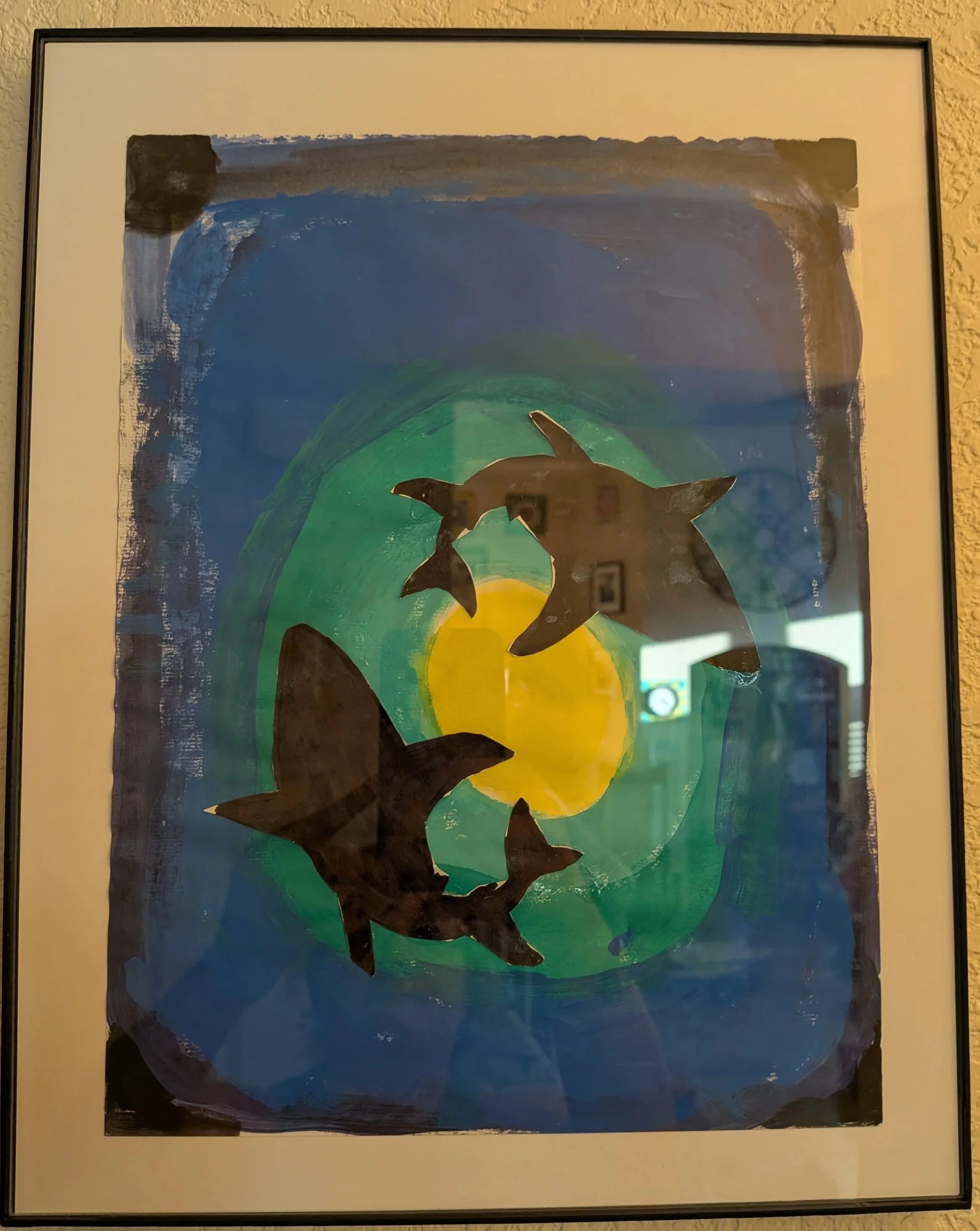
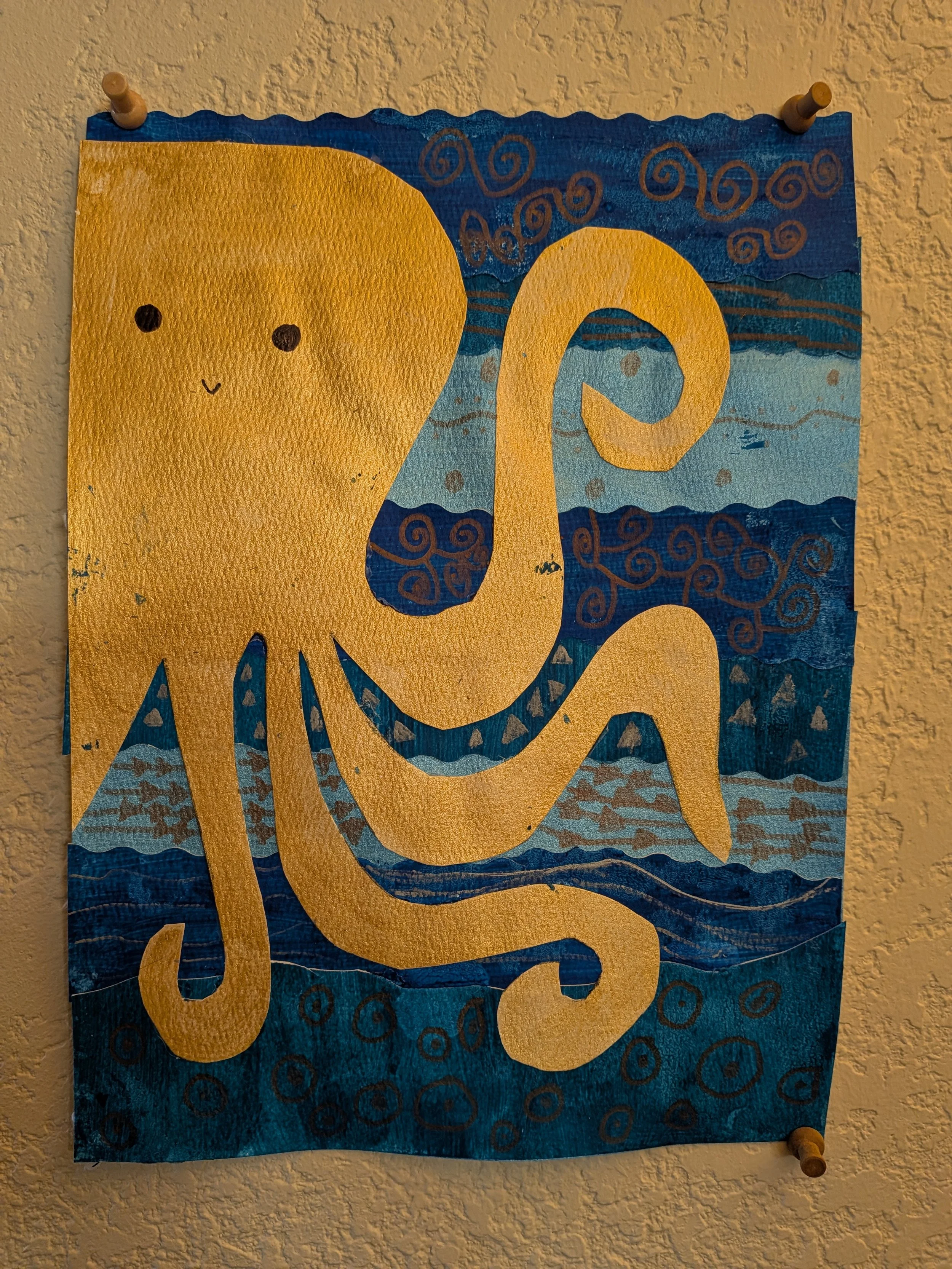
Octopus Craft
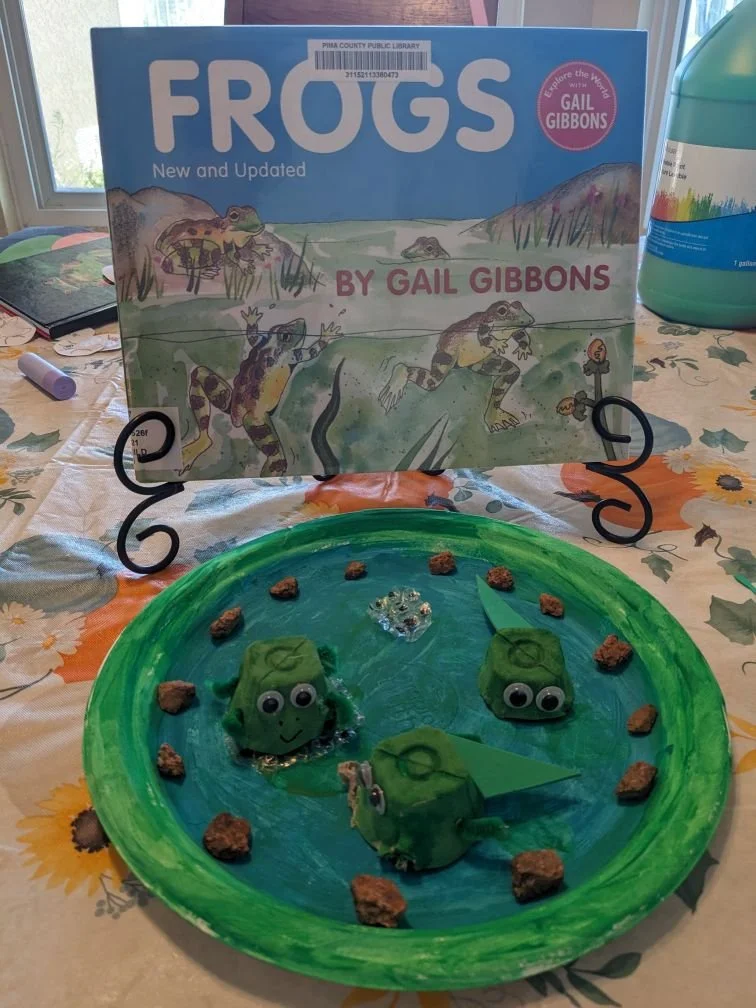
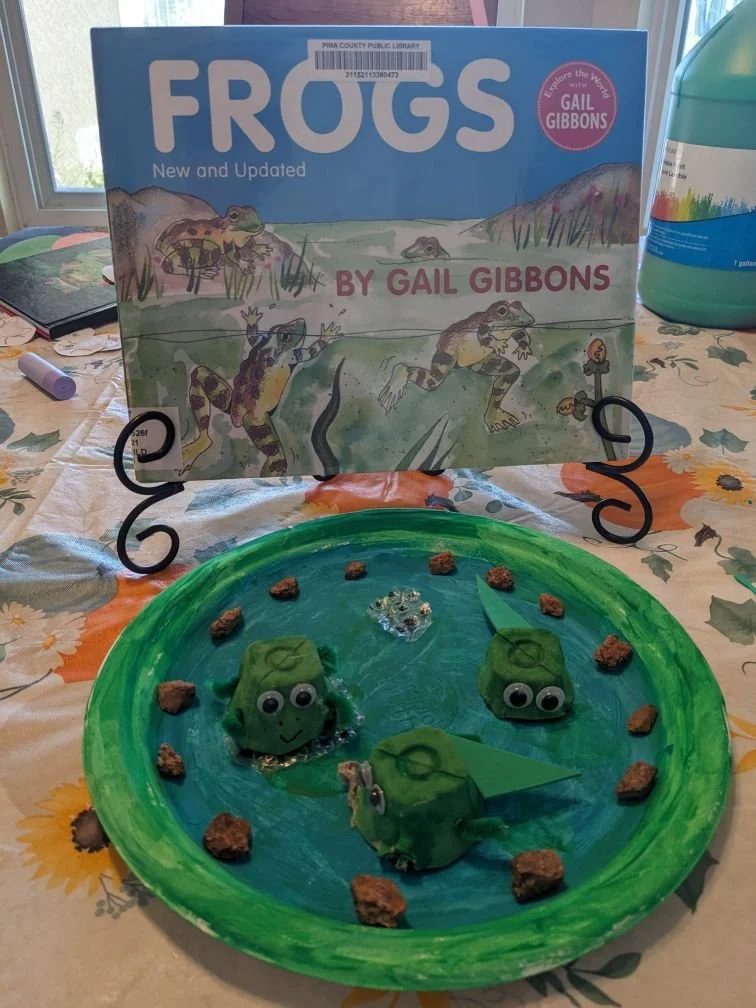
Frog Life Cycle Craft
We will cover the following, each is a weekly lesson:
1: Intro to Animal Science and Art ( includes Animal Kingdoms)
2: Evolution and Extinction
3: The History of Animal Life (Geologic Time)
4: Sponges, Cnidarians and Echinoderms
5: Mollusks and Worms
6: Arthropods: Insects and Myriapods
7: Arthropods: Crustaceans and Arachnids
8: Jawless and Bony Fish
9: Cartilaginous Fish Wonder
10: Frogs and Toads Wonder
11: Newts and Salamanders
12: Turtles, Tortoises, and Crocodilians
13: Lizards, Snakes, and Tuataras Wonder
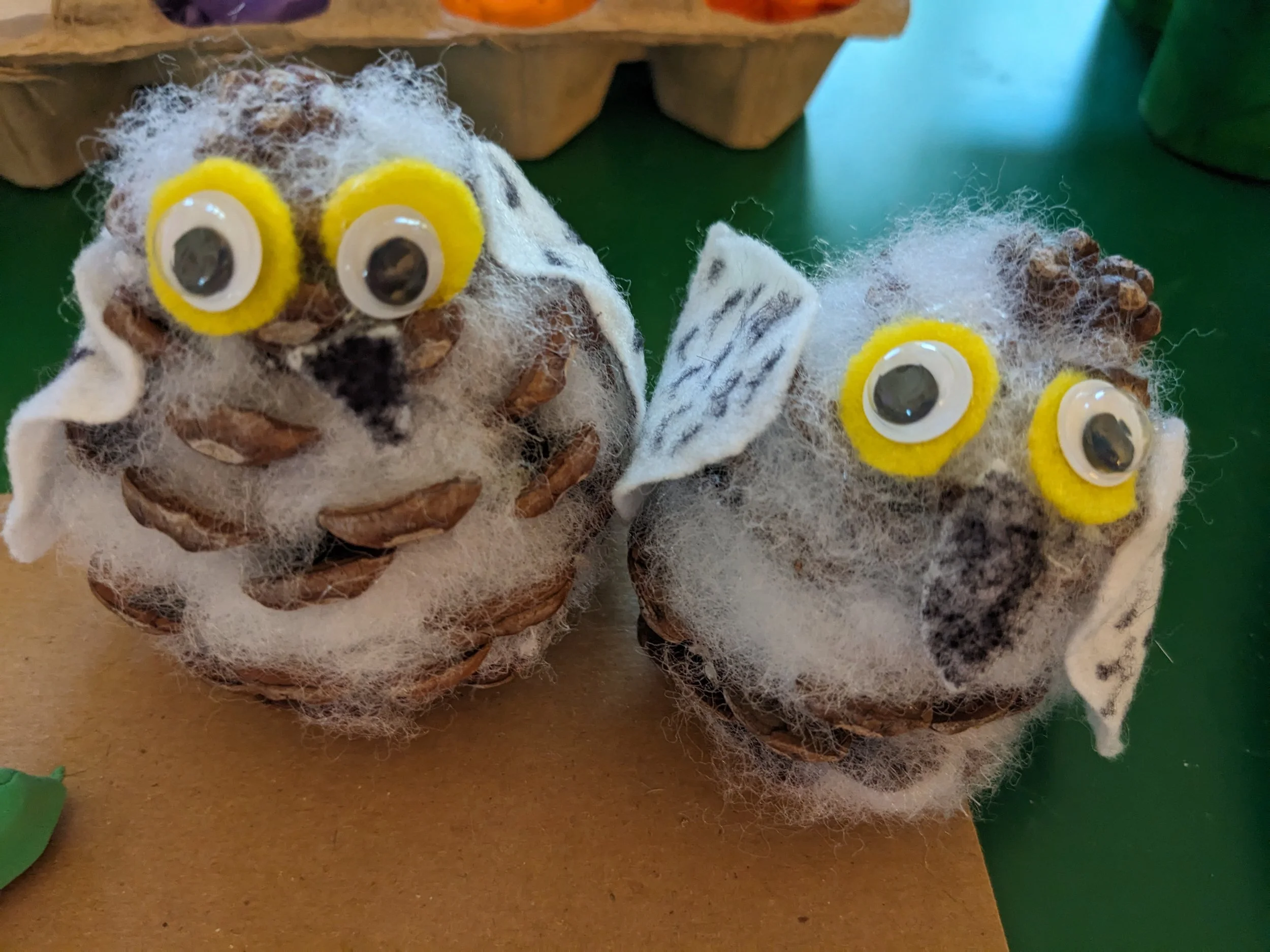
14: Ratites, Penguins, and Owls Wonder
15: Game Birds, Parrots, Toucans, and Woodpeckers
16: Seabirds, Waterbirds, and Shorebirds
17: Perching Birds and Raptors Wonder
18: Monotremes, Marsupials, Armadillos, and Anteaters
19: Moles, Rodents, Rabbits, Hares, and Bats
20: Primates, Elephants, and Manatees Wonder
21: Bears, Canids, and Cats
22: Skunks, Mustelids, Hyenas, Mongooses, and Meerkats
23: Horses, Bovids, Deer, and Camelids
24: Hippos, Pigs, Rhinos, and Giraffes
25: Seals and Sea Lions
26: Cetaceans
27: Eat or Be Eaten (Food Webs)
28: Migration, Seasonal Adaptations and Animal Relationships
29: Ecosystems, Micro-Ecosystems, and Introduction to Biomes
30: Rainforest Biome and Temperate Forest Biome
31: Desert and Polar Biomes
32: Mountain Biome and Grassland Biomes
33: Ponds, Wetlands, Estuaries and other Aquatic Biomes
34: Marine Biome
35: Ecosystems of the Americas Wonder
36: The Cycles of Nature and Human Impact and Wild Files Student Reports
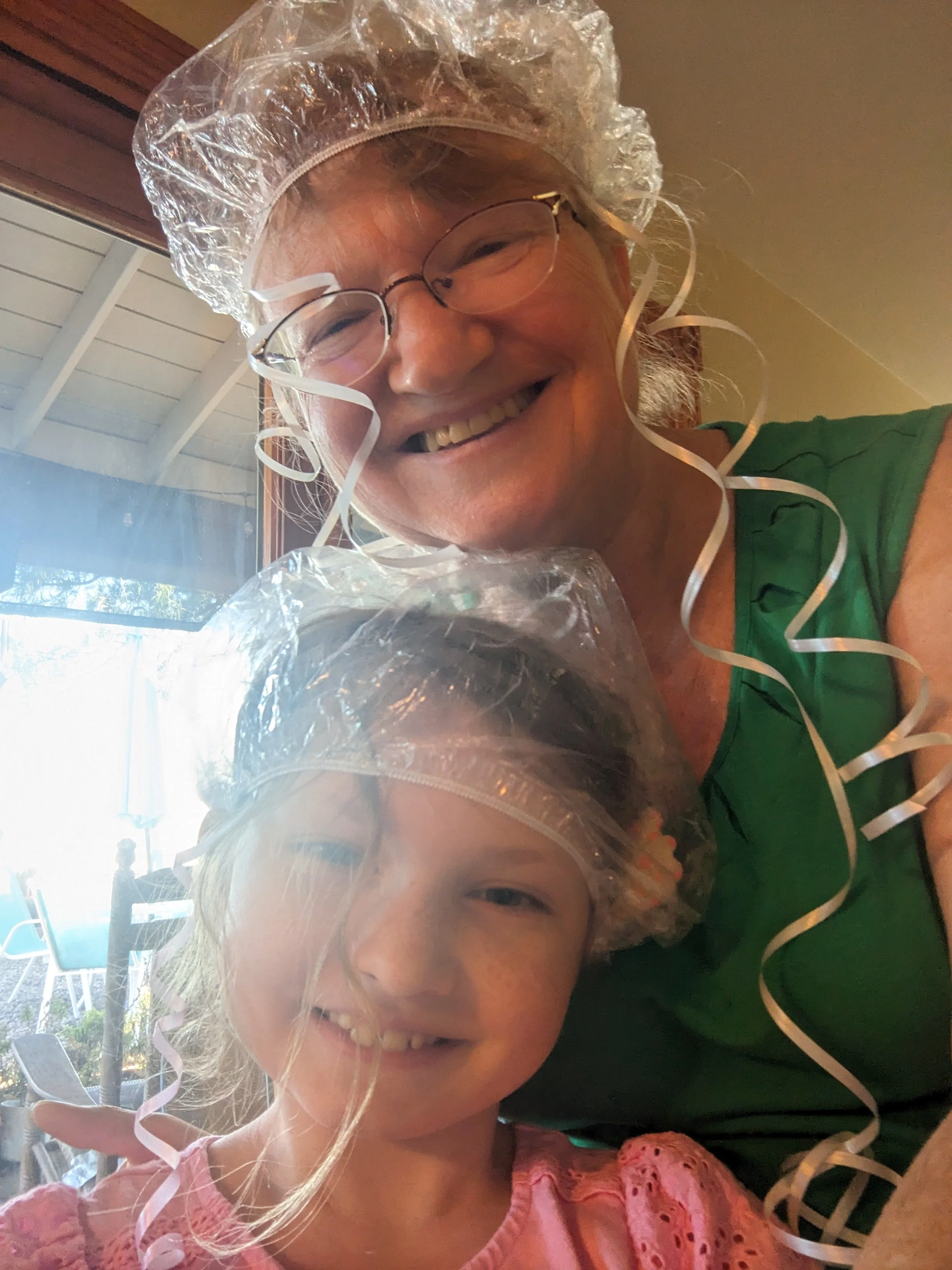
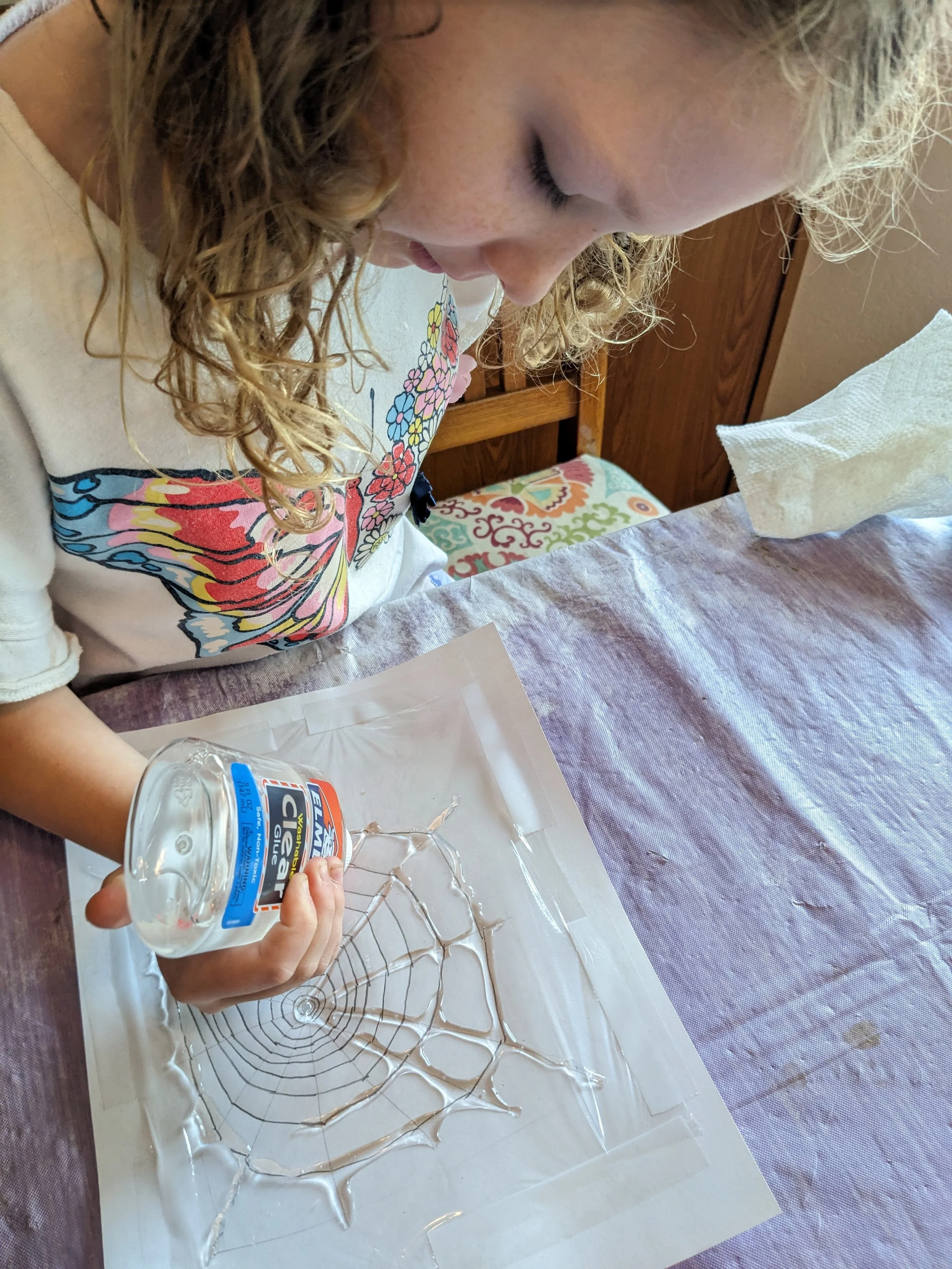
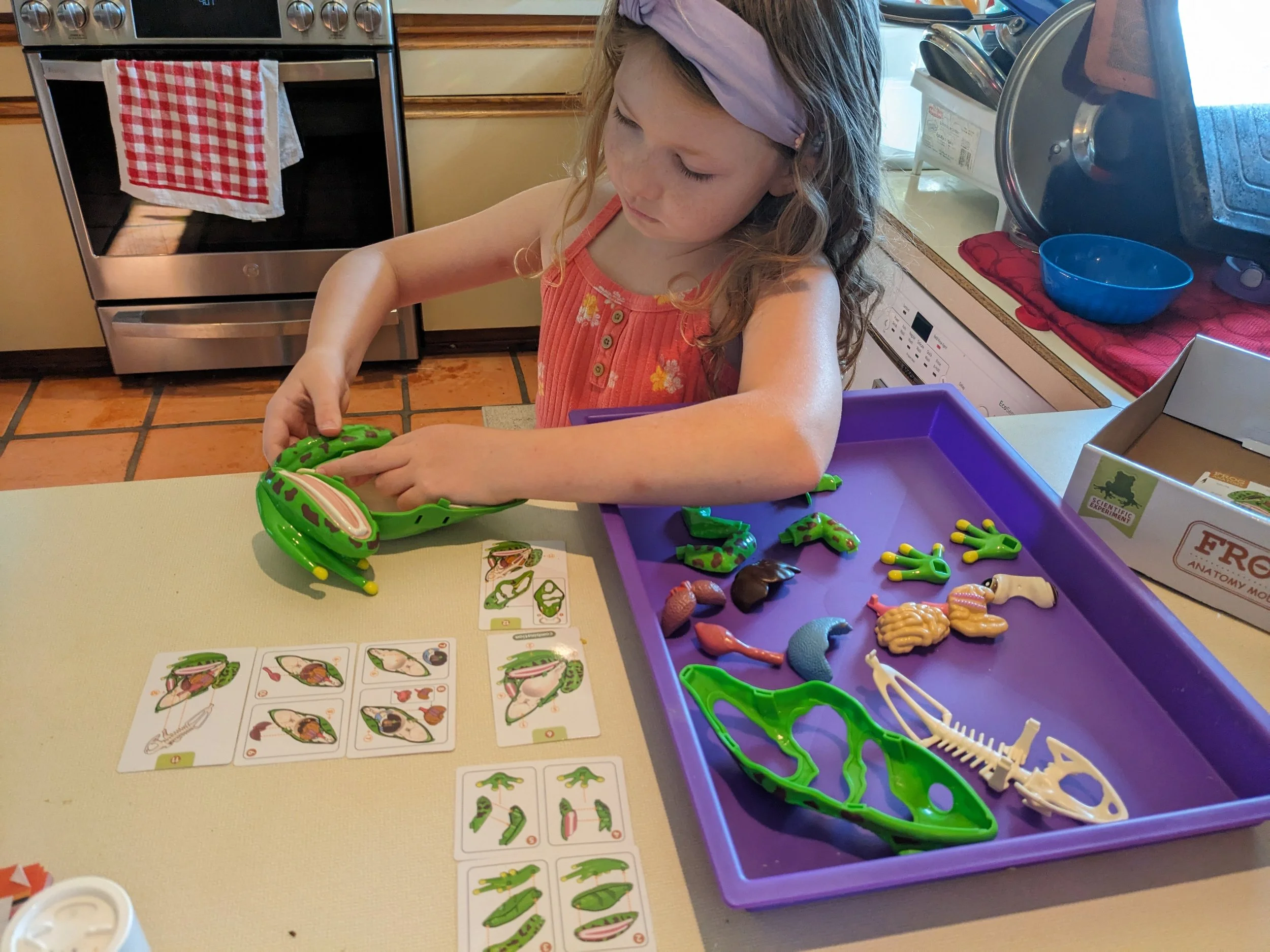
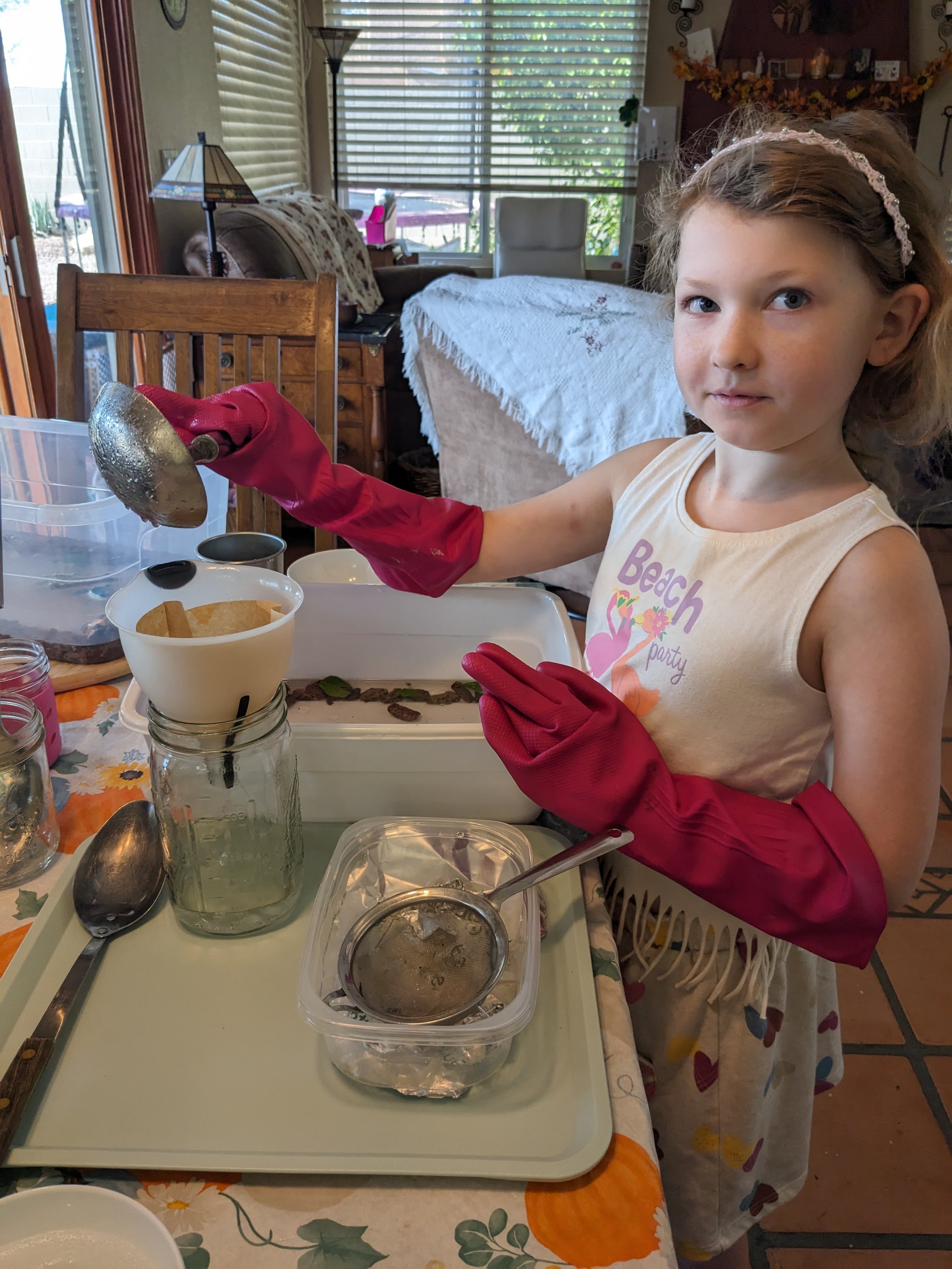
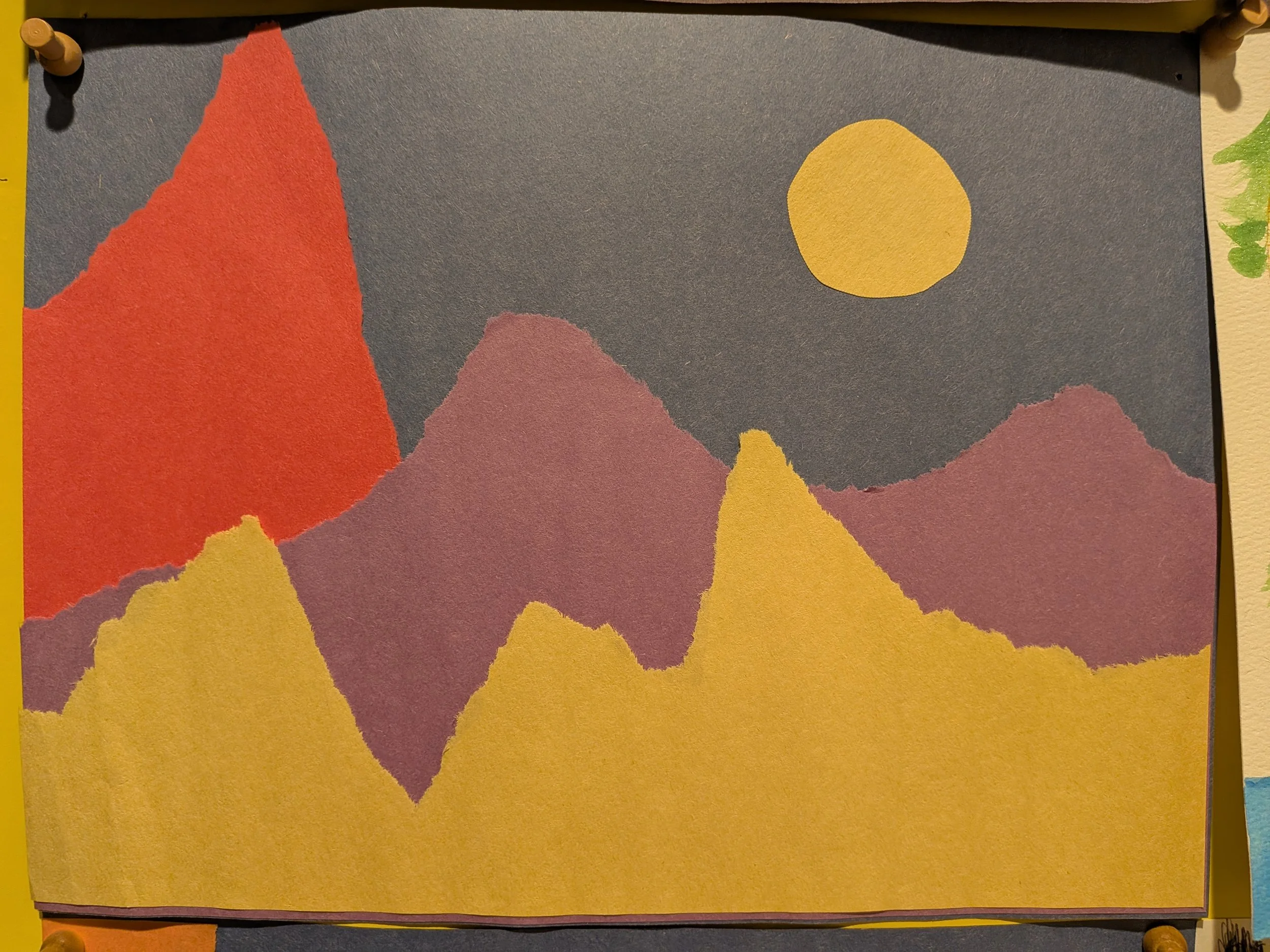
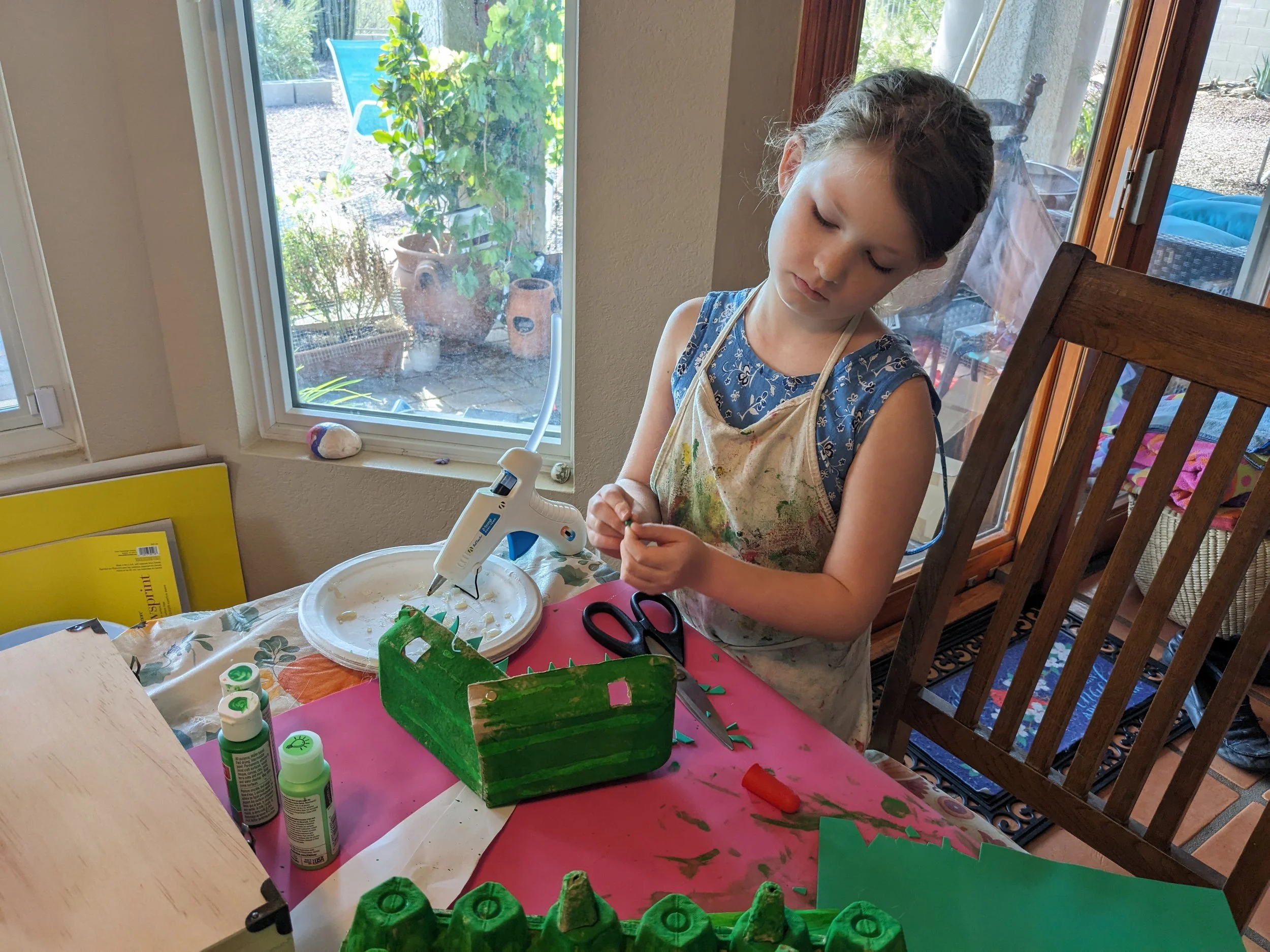
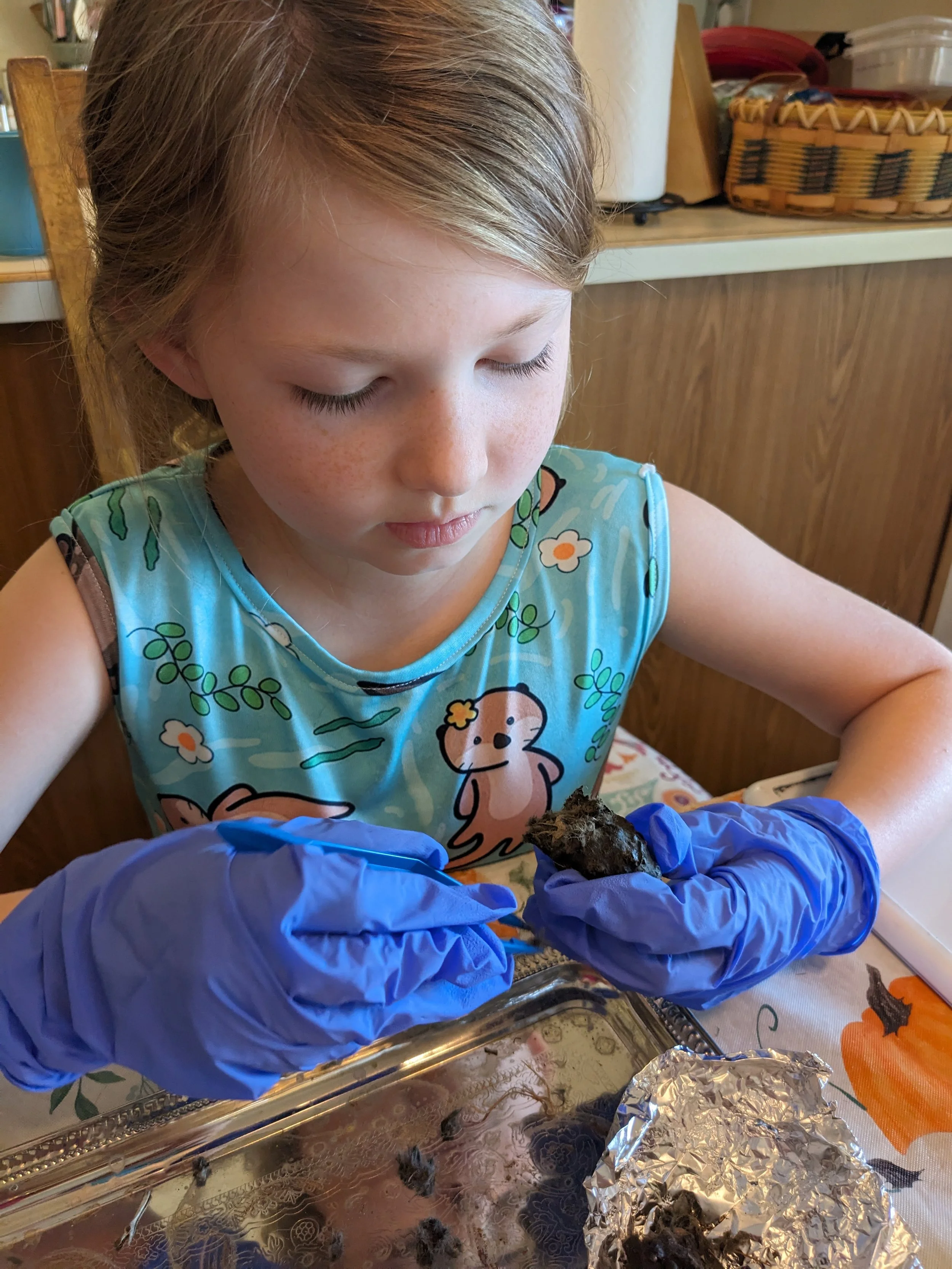
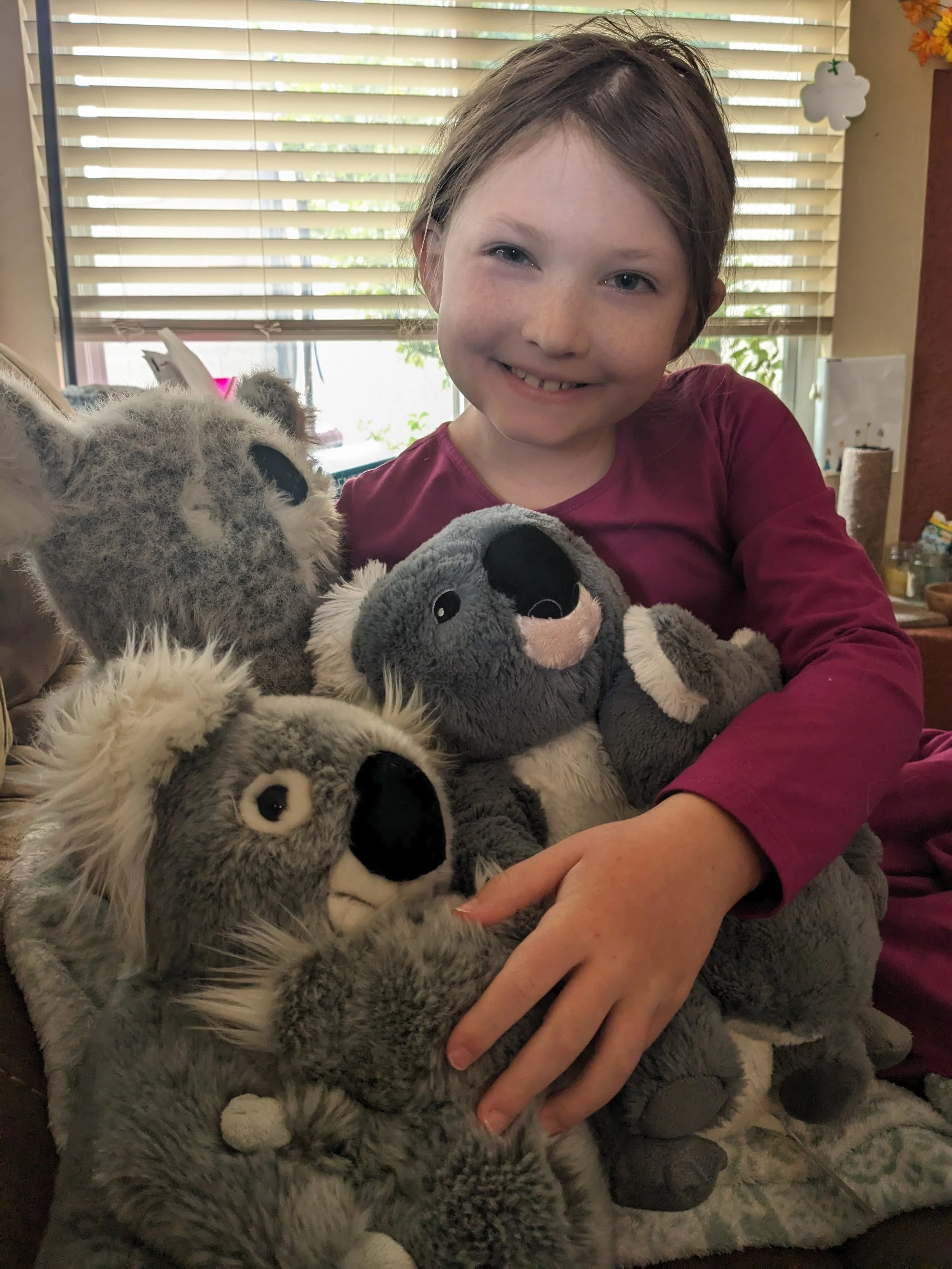
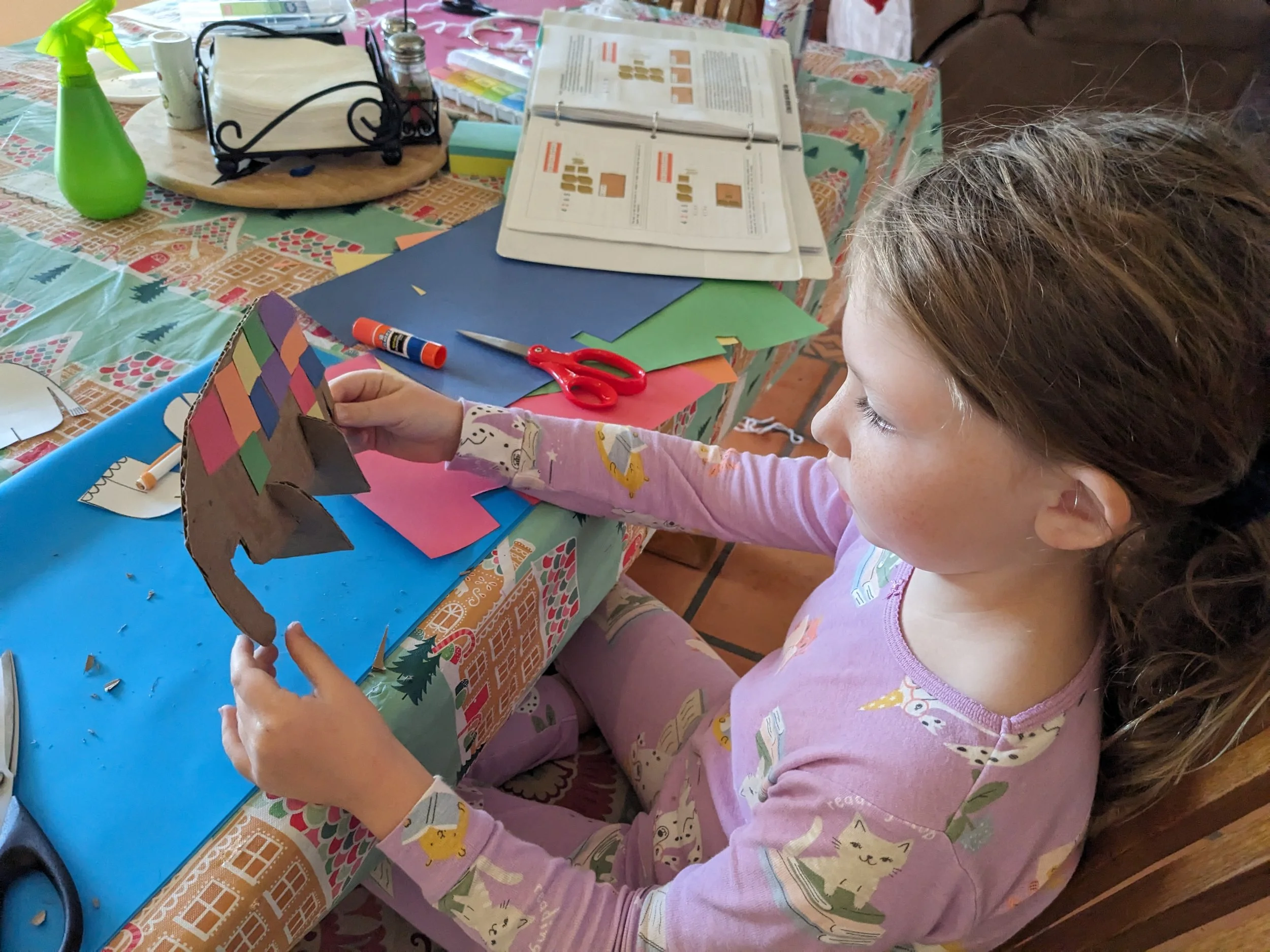
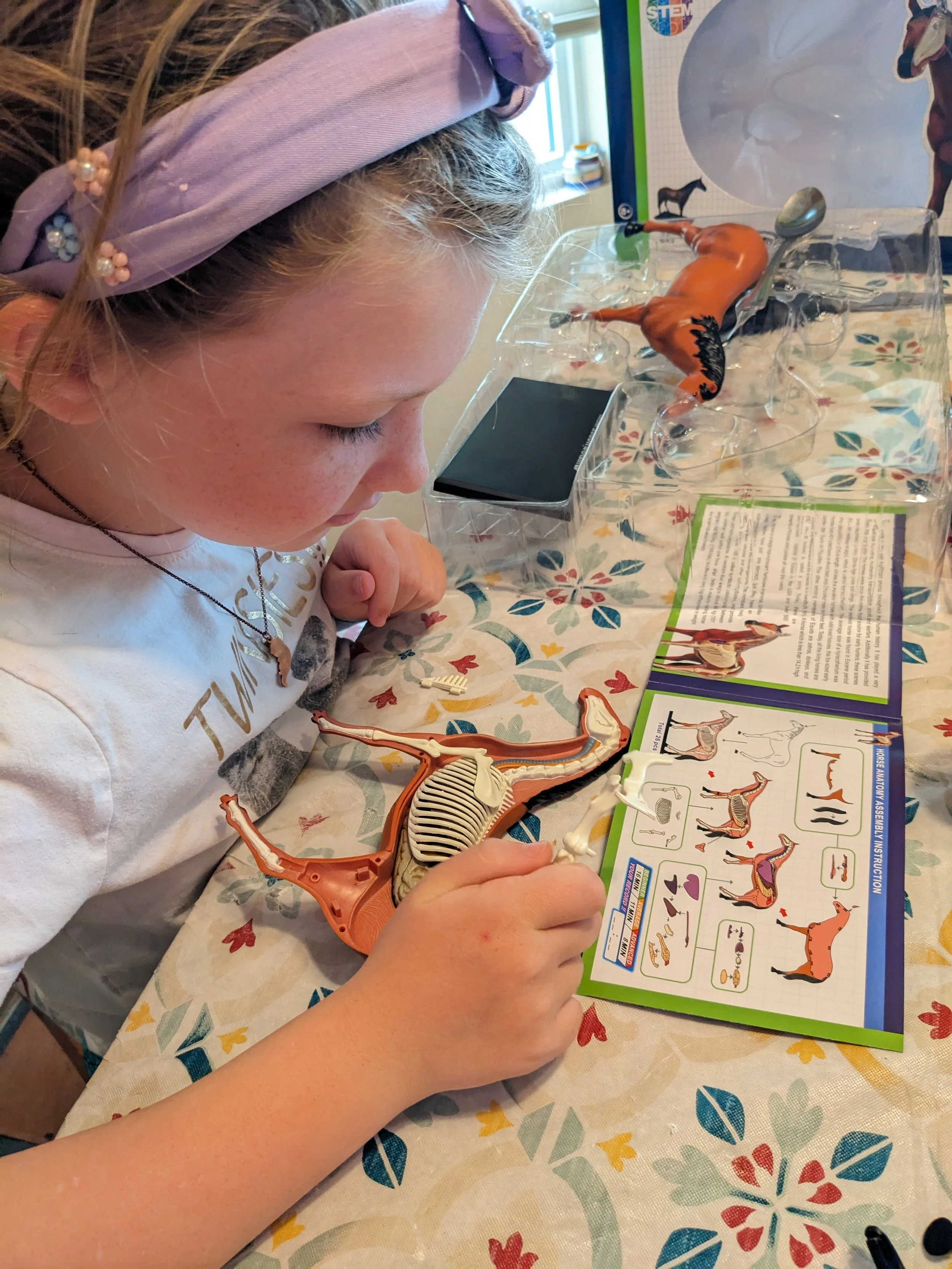
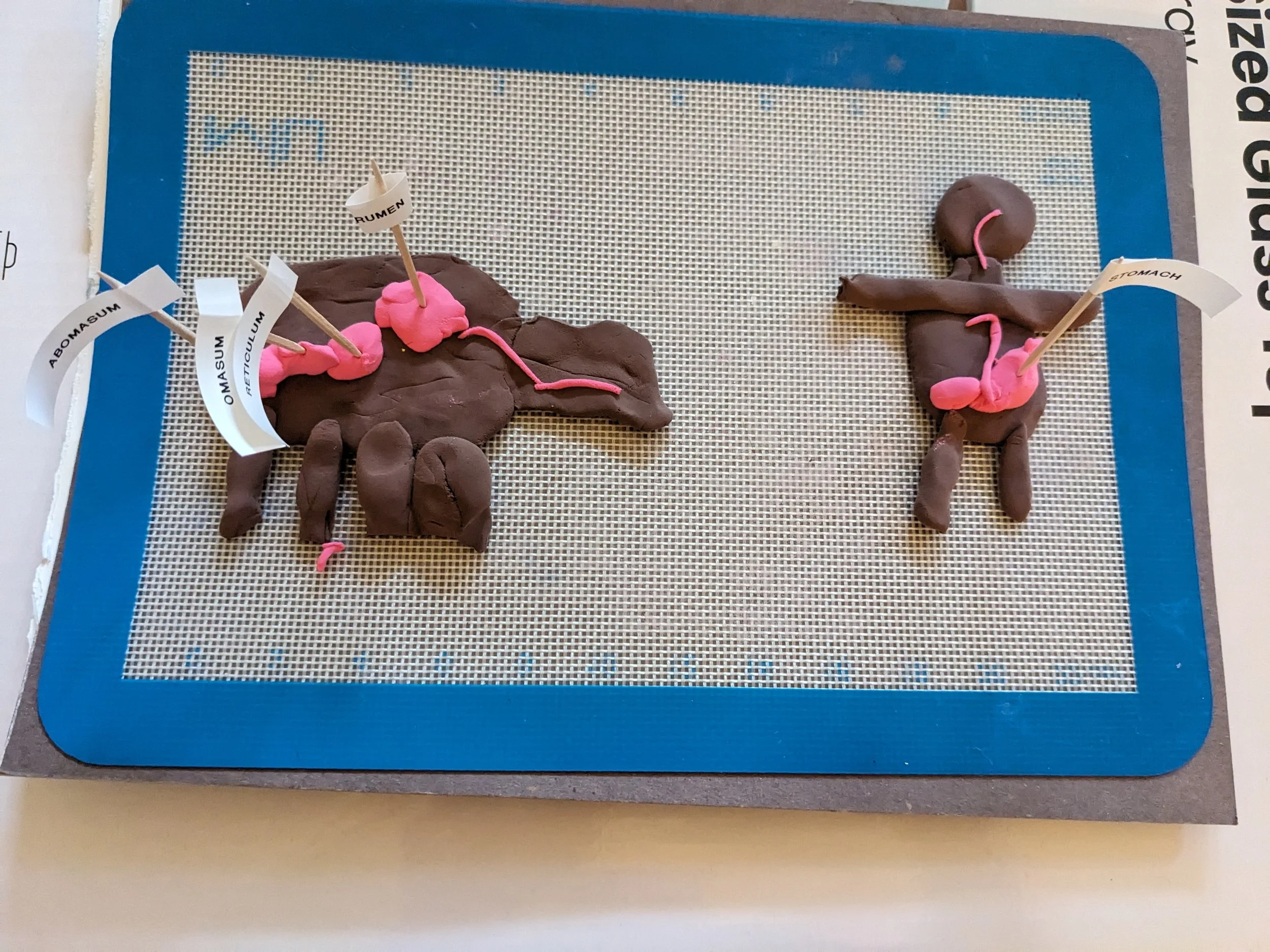
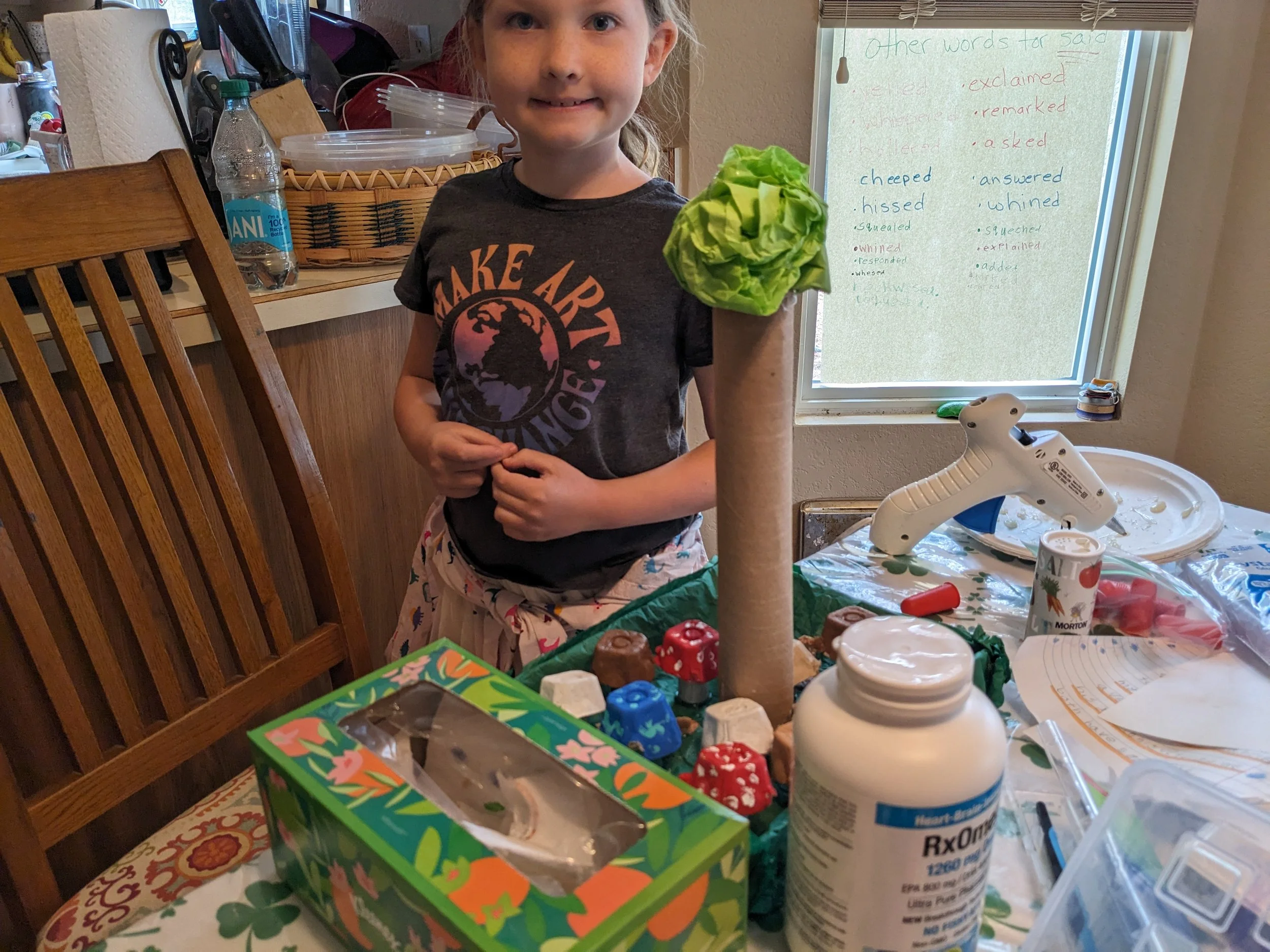
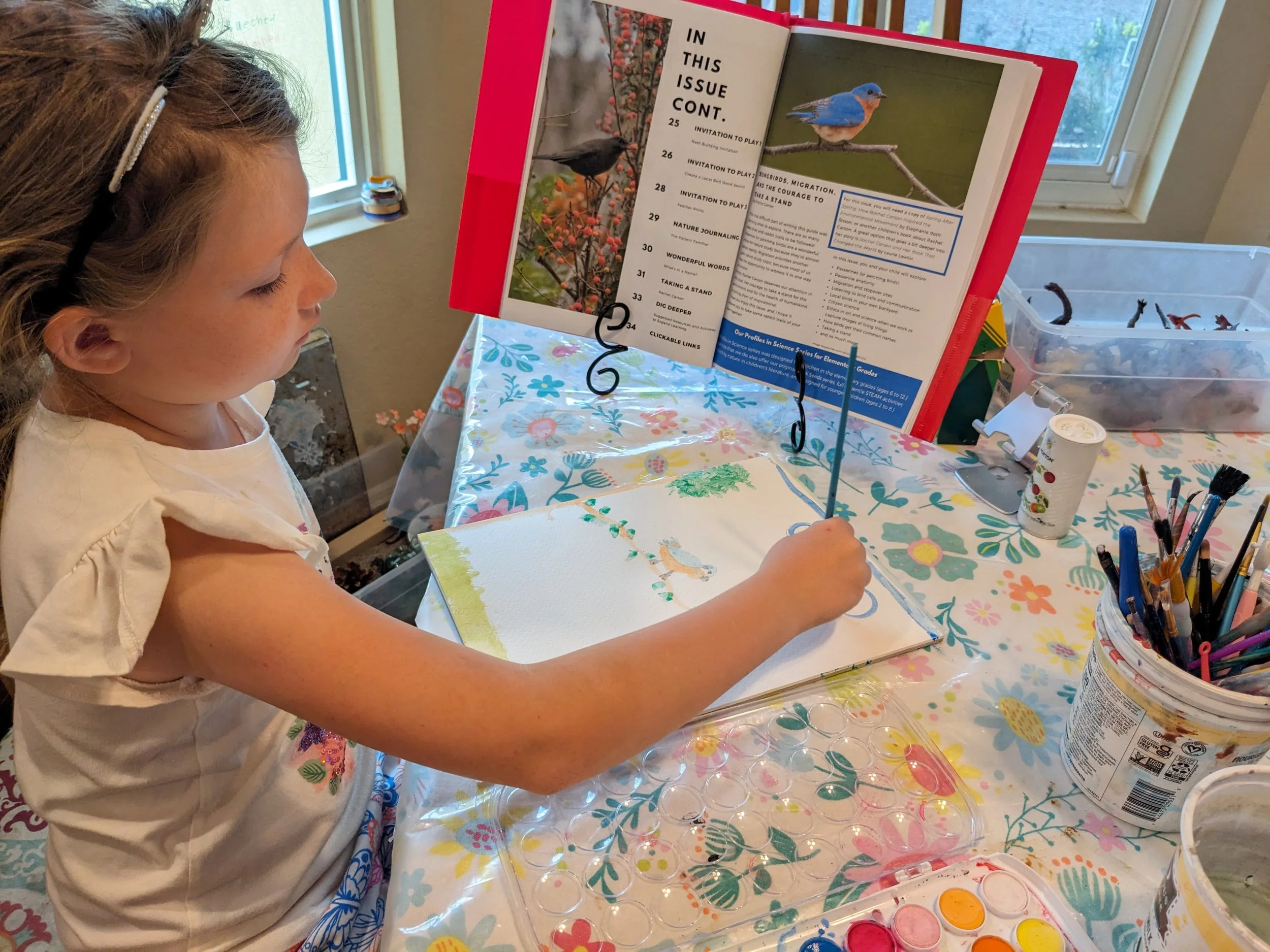
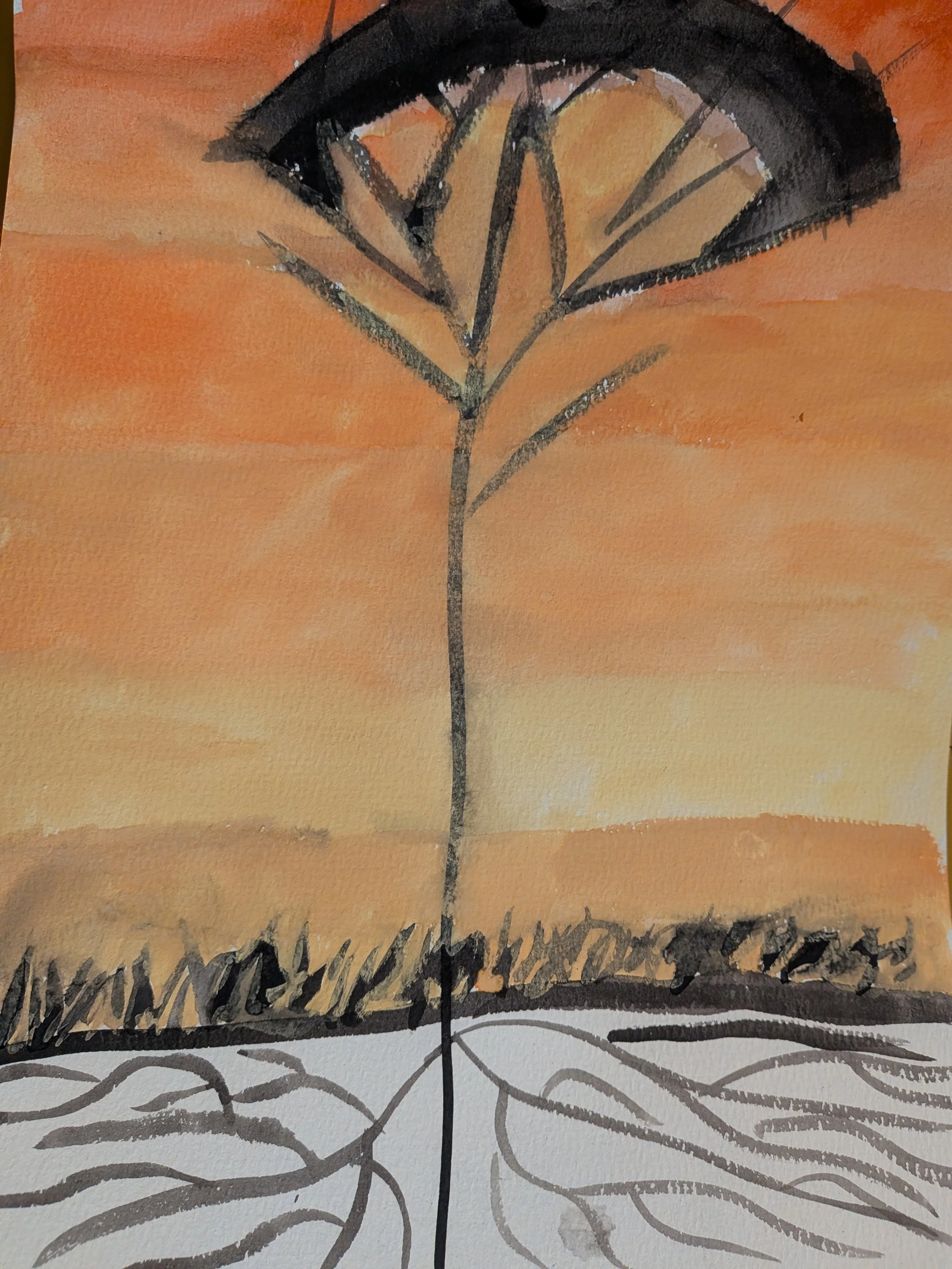
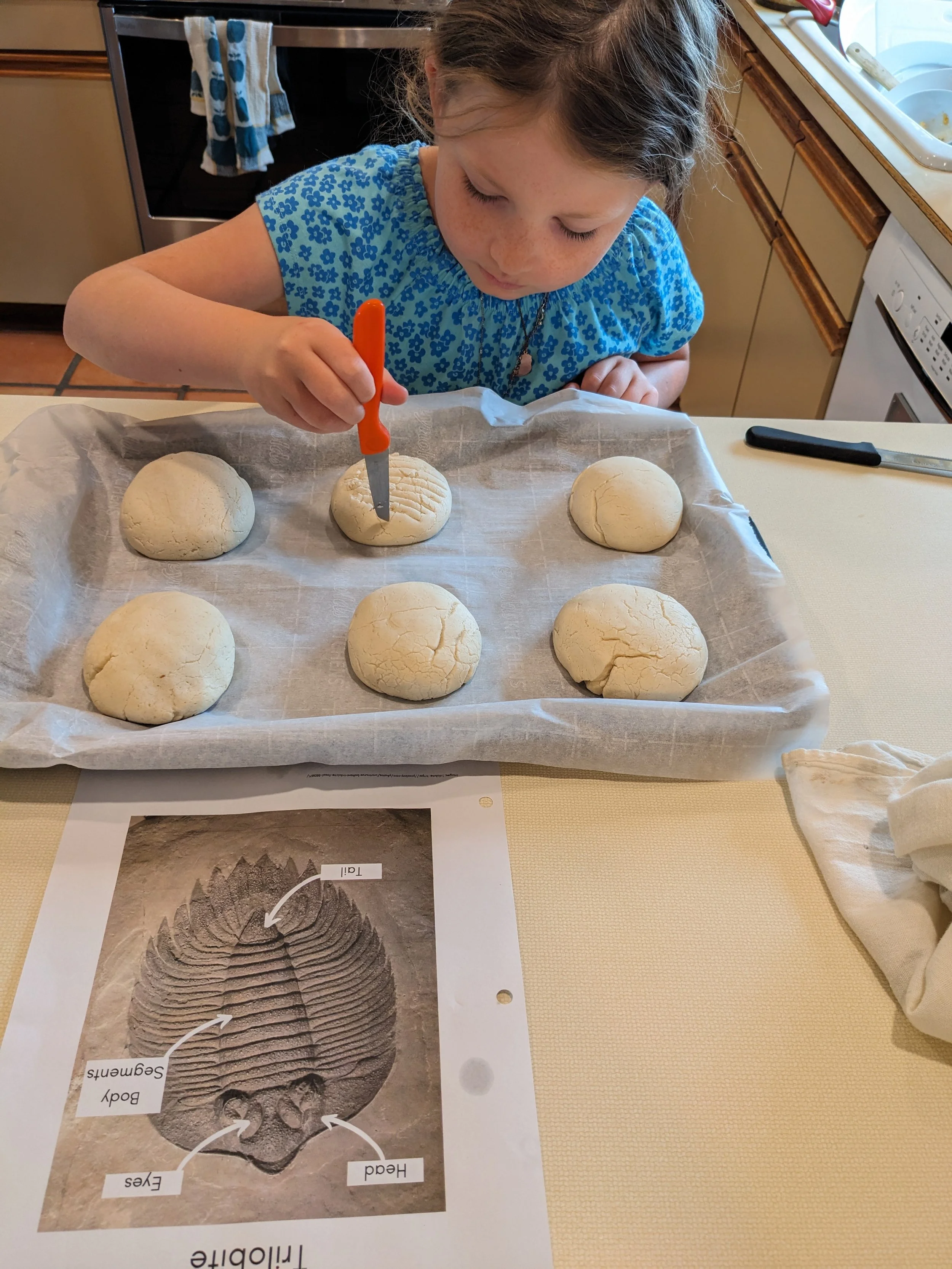
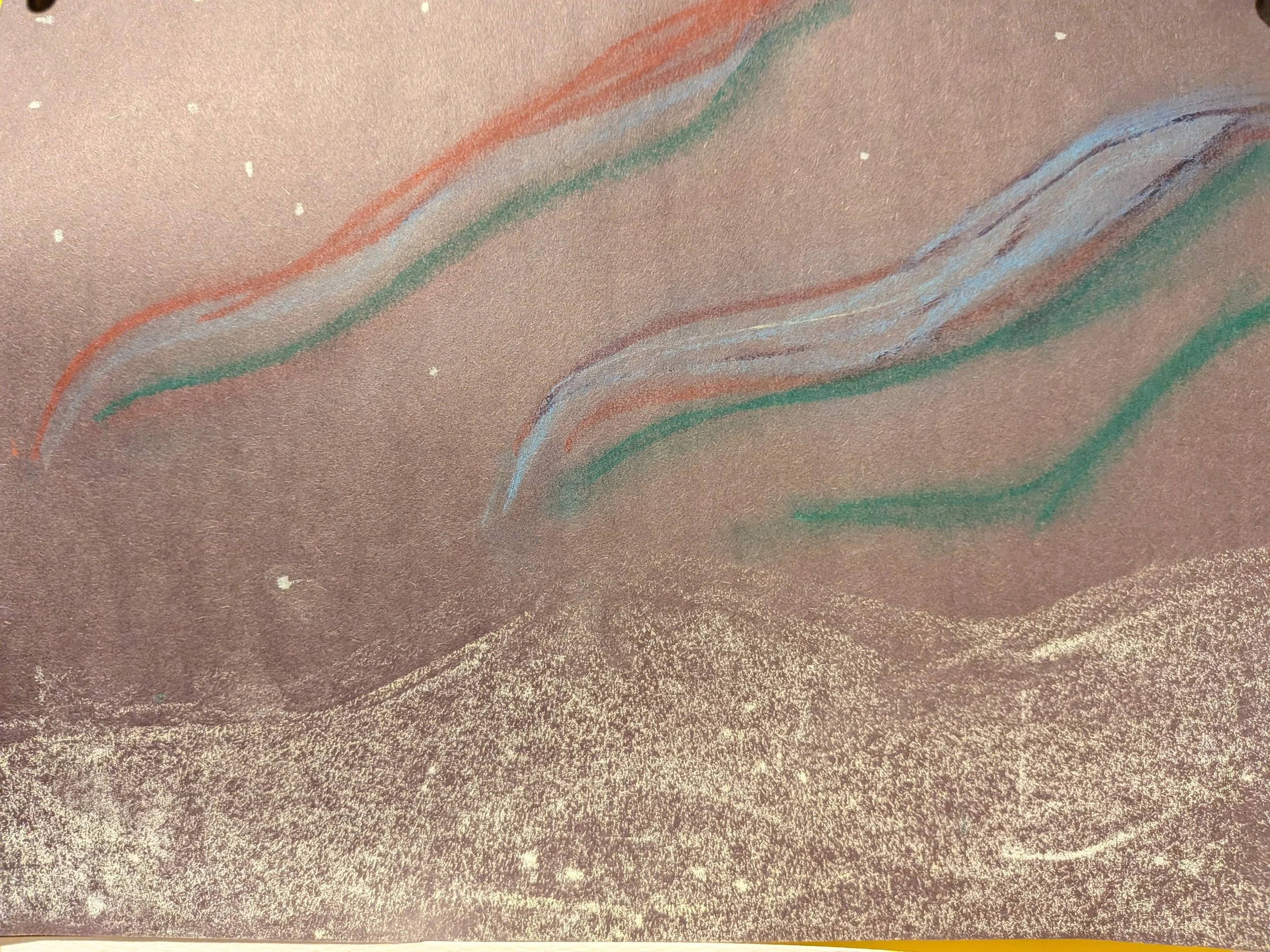
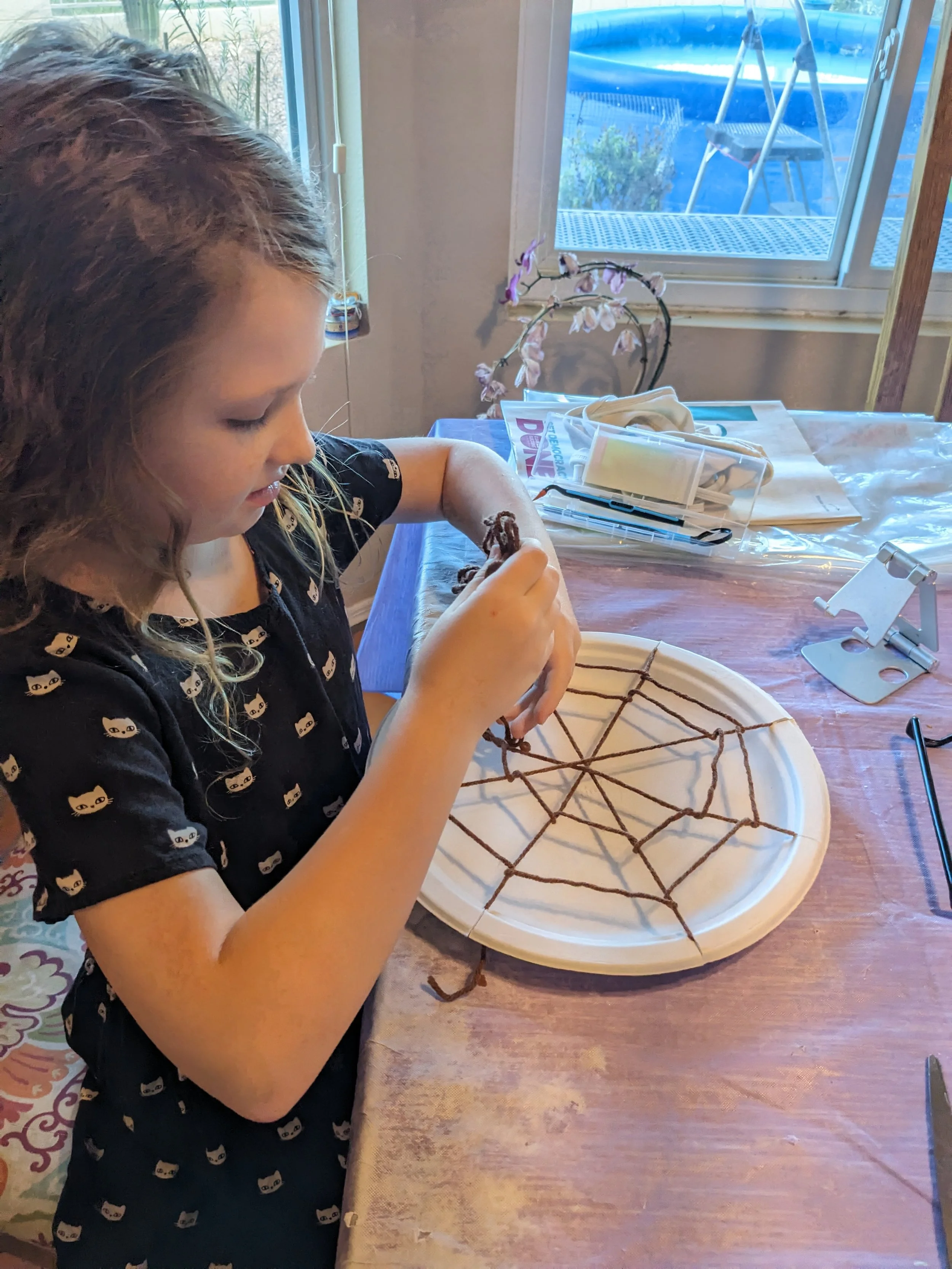
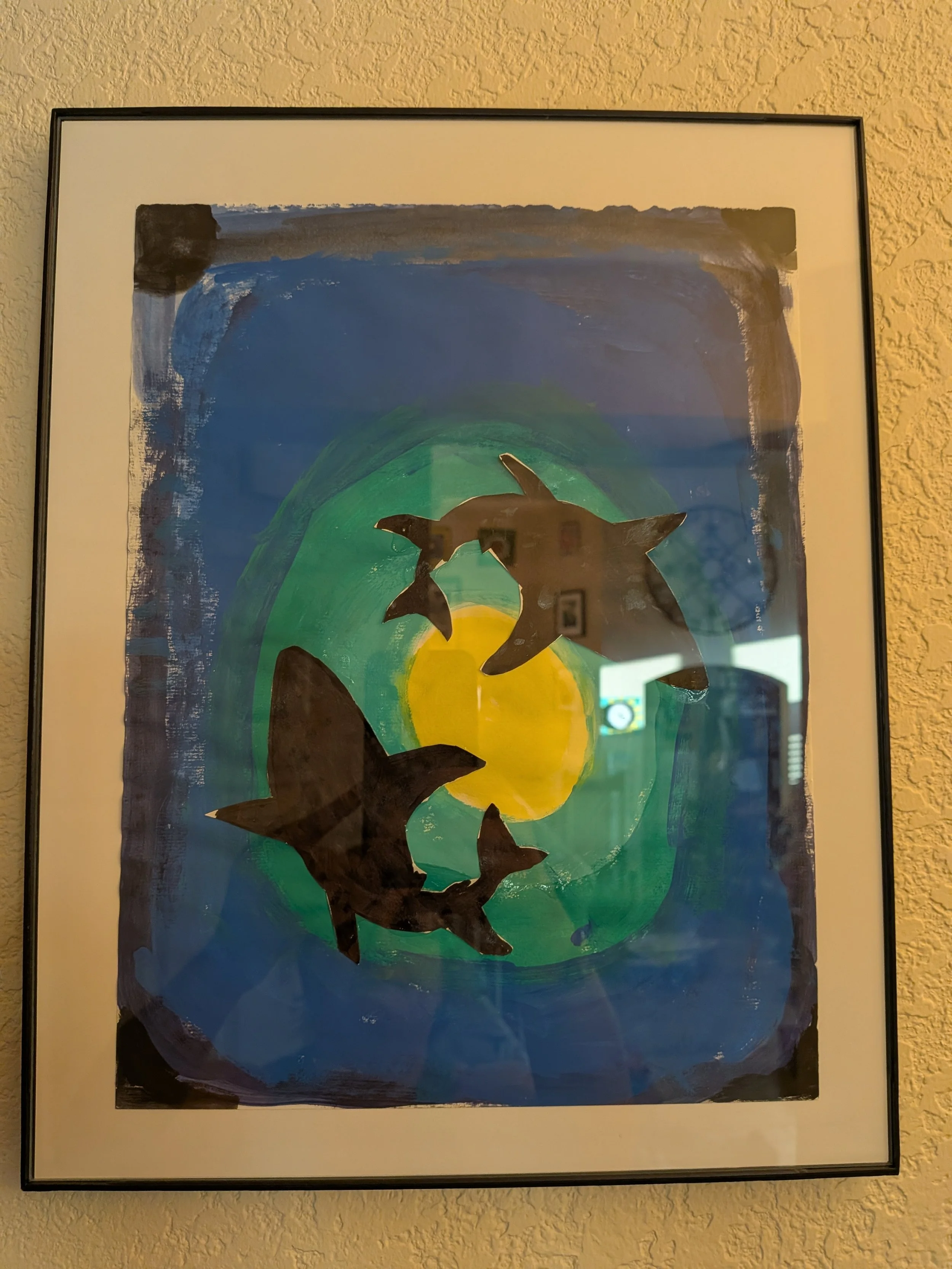
Examples of Animal Science Projects and FUN!
Sign-up Here
Please complete this google form to let me know you’d like to Register Your Interest to Join. I’ll reach out and connect to see if we are a good fit, then I’ll send an invoice for the learning blocks you plan to join.